

How to improve the energy efficiency of an air cylinder?
Leave a message

Hey there! As an air cylinder supplier, I've seen firsthand how important energy efficiency is in today's industrial world. Air cylinders are widely used in various applications, from manufacturing to automation, and improving their energy efficiency can lead to significant cost savings and environmental benefits. In this blog post, I'll share some tips on how to improve the energy efficiency of an air cylinder.
1. Choose the Right Size and Type of Air Cylinder
One of the most important factors in improving the energy efficiency of an air cylinder is choosing the right size and type for your application. Using an oversized air cylinder can result in wasted energy, as it requires more compressed air to operate. On the other hand, an undersized air cylinder may not be able to perform the required task efficiently, leading to increased energy consumption due to longer cycle times.
When selecting an air cylinder, consider the following factors:
- Load Requirements: Determine the maximum load that the air cylinder will need to move. This will help you choose the appropriate bore size and stroke length.
- Speed Requirements: Consider the required speed of the air cylinder. Higher speeds may require larger bore sizes to ensure sufficient force.
- Duty Cycle: Evaluate the duty cycle of the application. If the air cylinder will be operating continuously, you may need to choose a more robust and energy-efficient model.
In addition to size, the type of air cylinder can also affect energy efficiency. For example, a double-acting air cylinder uses compressed air to move the piston in both directions, while a single-acting air cylinder uses compressed air to move the piston in one direction and a spring to return it. Double-acting air cylinders are generally more energy-efficient for applications that require frequent movement in both directions.
2. Optimize the Pneumatic System
The pneumatic system that supplies compressed air to the air cylinder plays a crucial role in its energy efficiency. Here are some ways to optimize the pneumatic system:
- Reduce Air Leakage: Air leakage is one of the biggest sources of energy waste in a pneumatic system. Regularly inspect the system for leaks and repair them promptly. You can use a leak detector or apply a soapy water solution to the connections to identify leaks.
- Use Pressure Regulators: Pressure regulators help maintain a consistent pressure in the pneumatic system, which can improve the energy efficiency of the air cylinder. Set the pressure regulator to the minimum pressure required for the application to avoid over-pressurization.
- Install Air Filters and Lubricators: Air filters remove contaminants from the compressed air, which can damage the air cylinder and reduce its efficiency. Lubricators add a small amount of lubricant to the compressed air, which helps reduce friction and wear on the moving parts of the air cylinder.
- Optimize the Piping Layout: The layout of the piping in the pneumatic system can affect the flow of compressed air and the energy efficiency of the air cylinder. Minimize the length and number of bends in the piping to reduce pressure drop. Use larger diameter piping if necessary to ensure sufficient airflow.
3. Implement Energy-Saving Controls
Energy-saving controls can help reduce the energy consumption of the air cylinder by adjusting its operation based on the actual demand. Here are some examples of energy-saving controls:
- Proportional Valves: Proportional valves allow you to control the flow and pressure of the compressed air to the air cylinder more precisely. This can help reduce energy consumption by adjusting the amount of compressed air used based on the load requirements.
- Flow Control Valves: Flow control valves regulate the speed of the air cylinder by controlling the flow of compressed air. By adjusting the flow rate, you can optimize the cycle time of the air cylinder and reduce energy consumption.
- Sensors and Feedback Systems: Sensors can be used to monitor the position, speed, and force of the air cylinder. Feedback systems can then use this information to adjust the operation of the air cylinder in real-time, ensuring that it operates at the most energy-efficient level.
4. Maintain the Air Cylinder Regularly
Regular maintenance is essential for ensuring the optimal performance and energy efficiency of the air cylinder. Here are some maintenance tasks that you should perform:
- Clean the Air Cylinder: Regularly clean the exterior of the air cylinder to remove dirt, dust, and debris. This can help prevent damage to the seals and other components.
- Inspect the Seals: Check the seals of the air cylinder for wear and damage. Replace any worn or damaged seals promptly to prevent air leakage.
- Lubricate the Moving Parts: Lubricate the moving parts of the air cylinder, such as the piston and rod, according to the manufacturer's recommendations. This can help reduce friction and wear, improving the energy efficiency of the air cylinder.
- Check the Mounting and Alignment: Ensure that the air cylinder is properly mounted and aligned. Misalignment can cause excessive wear on the seals and other components, leading to increased energy consumption.
5. Consider Alternative Technologies
In some cases, alternative technologies may offer better energy efficiency than traditional air cylinders. Here are some examples:
- Electric Actuators: Electric actuators use electricity to drive the motion of the actuator, rather than compressed air. They are generally more energy-efficient than air cylinders, especially for applications that require precise control and high-speed operation.
- Hydraulic Actuators: Hydraulic actuators use hydraulic fluid to drive the motion of the actuator. They are suitable for applications that require high force and heavy loads. While hydraulic actuators may consume more energy than air cylinders in some cases, they can offer better energy efficiency for certain applications.
Conclusion
Improving the energy efficiency of an air cylinder is a multi-faceted process that involves choosing the right size and type of air cylinder, optimizing the pneumatic system, implementing energy-saving controls, maintaining the air cylinder regularly, and considering alternative technologies. By following these tips, you can reduce the energy consumption of your air cylinder, save costs, and contribute to a more sustainable environment.

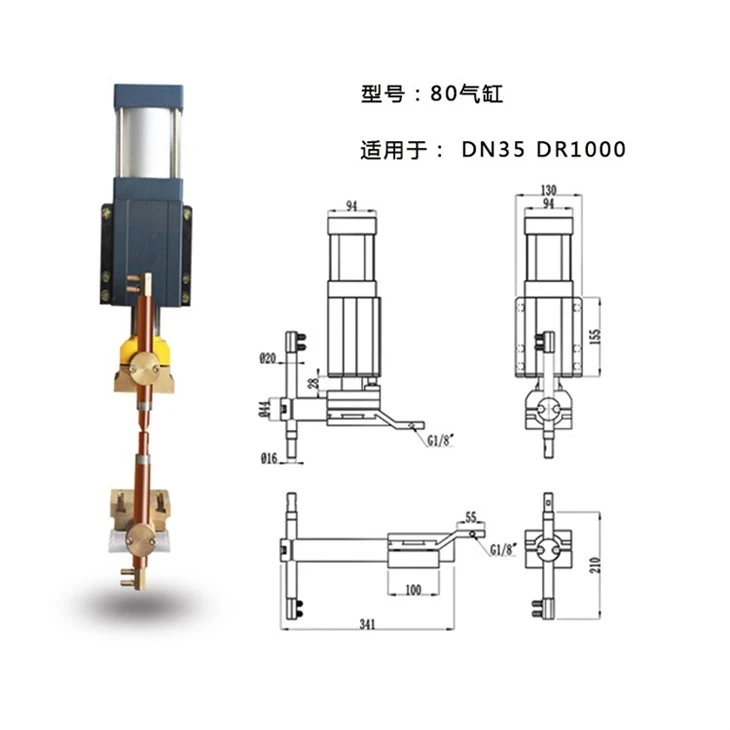
If you're interested in learning more about how to improve the energy efficiency of your air cylinders or if you're looking for high-quality air cylinders for your application, feel free to contact us. We're a leading air cylinder supplier, and we'd be happy to help you find the right solution for your needs.
References
- Pneumatic Drive Of Spot Welding Machine
- ISO 15552:2013 - Pneumatic fluid power - Cylinders - General requirements and characteristics
- Parker Hannifin Corporation. (2019). Pneumatic Cylinder Handbook.


